A cold snap can make a Northeast Florida landscape look rough fast. Tender plants turn brown. Some leaves turn black. Flowers collapse. Shrubs look uneven. Tropical plants that looked great in fall can look shocked by February.
The first instinct is to cut everything back.
That is not always the best move.
With freeze-damaged plants, timing matters. Pruning too early can encourage tender new growth. If another freeze hits, that new growth can be damaged again, leaving the plant even more stressed.
Why Freeze Damage Shows Up Differently
Cold damage does not always look the same from plant to plant.
Some plants show damage immediately. Leaves wilt, turn brown, or blacken. Other plants look fine at first, then decline later. In some cases, trunks or stems crack because plant fluids freeze and expand.
That delayed damage can take weeks or months to fully show.
This is why patience matters. A plant that looks bad today may still have living tissue. Another plant that looks okay may reveal more damage later.
Wait Before Heavy Pruning
In general, avoid major pruning until the risk of freezing weather has passed.
In Jacksonville, St. Augustine, Ponte Vedra, and surrounding areas, that often means waiting until late winter or early spring before doing serious cutbacks.
You can usually remove dead blooms or unsightly foliage. That kind of light cleanup is different from hard pruning.
The concern with heavy pruning is that warm days after a freeze can trigger new growth. That new growth is soft and tender. If another freeze follows, it can brown out again and weaken the plant further.
The ugly brown material can also provide a little protection for the healthier tissue below it.
How to Check If a Stem Is Alive
For woody stems, use the scratch test.
Lightly scratch the surface of the stem with your fingernail or a small tool. If you see green tissue underneath, that section is still alive. If it is brown and dry, that section is likely dead.
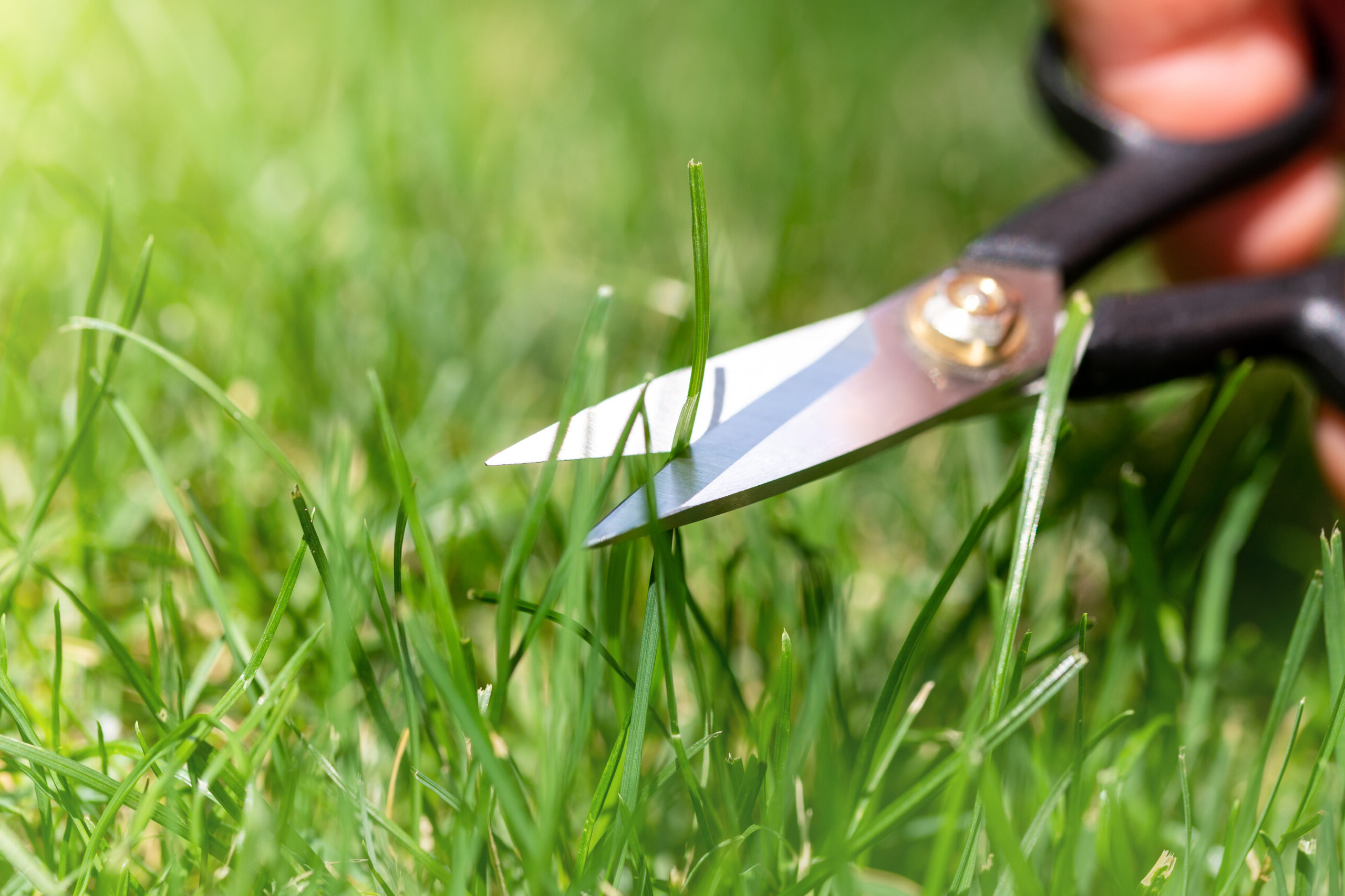
When it is time to prune, cut just past the damaged section back to healthy tissue.
Do not cut everything to the ground unless the plant truly needs that type of reset.
Protecting Plants Before a Freeze
The best freeze care starts before the cold arrives.
For tender plants, covers can help. Fabric covers, frost cloth, sheets, or similar breathable materials are usually better than sealed plastic. Plastic can trap heat during sunny daytime hours and burn plant material if it is left on too long.
If plastic is used, it should be removed or opened during the day so air can circulate.
Mulch also helps protect root systems. It keeps roots cooler in summer and warmer in winter. Just keep mulch away from the trunk or base of the plant. Mulch piled against bark can hold moisture and cause rot.
A small air gap around the trunk is a smart habit.
Watering Around Freezes
Moist soil holds heat better than dry soil. Watering the day of an expected freeze can help protect root systems.
Do not run a normal lawn irrigation system during the freeze. Citrus crop freeze protection systems are designed for that purpose. Residential irrigation systems are not.
If cold weather comes with dry wind and little rainfall, plants may dry out. Watering after the freeze can help replenish moisture.
Know Your Planting Zone
One of the best long-term lessons after a freeze is learning which plants handled the cold and which did not.
Northeast Florida is generally in zones 9a and 9b. Some tropical plants sold in garden centers prefer warmer areas. A plant rated for zone 10 or 11 may survive for a while, but it can be much more vulnerable during cold events.
That does not mean you can never plant tropical-looking plants. It just means you should know the risk.
Tropical hibiscus is a good example. Many homeowners love it, but it can suffer in our area during freezes. Some people are fine replacing it when needed. Others may prefer hardier options that can handle both heat and cold better.
Replace Smarter, Not Faster
After a freeze, some plants recover. Some look lopsided for a while. Some need replacing.
Before replacing everything, watch how the landscape responds. Make notes about which plants struggled. Then choose replacements that fit your location, sunlight, soil, and cold tolerance.
A plant that thrives in the right place will save time and money over the long run.
Final Takeaway
Freeze damage is frustrating, but rushing can make it worse.
Remove truly dead blooms or messy foliage if needed. Wait on heavy pruning until freeze risk has passed. Use the scratch test to find living tissue. Protect roots with mulch, but keep mulch away from trunks. Choose plants that fit Northeast Florida conditions.
If you are not sure whether a plant should be pruned, watched, or replaced, Defenders can help evaluate your landscape and recommend a practical next step.
FAQs
Should I prune plants right after a freeze?
Usually no. Wait until the risk of another freeze has passed before heavy pruning.
How can I tell if a branch is alive?
Scratch the surface. Green tissue means that section is still alive.
Can mulch protect plants from cold?
Yes. Mulch helps protect roots, but it should not be piled against trunks or stems.