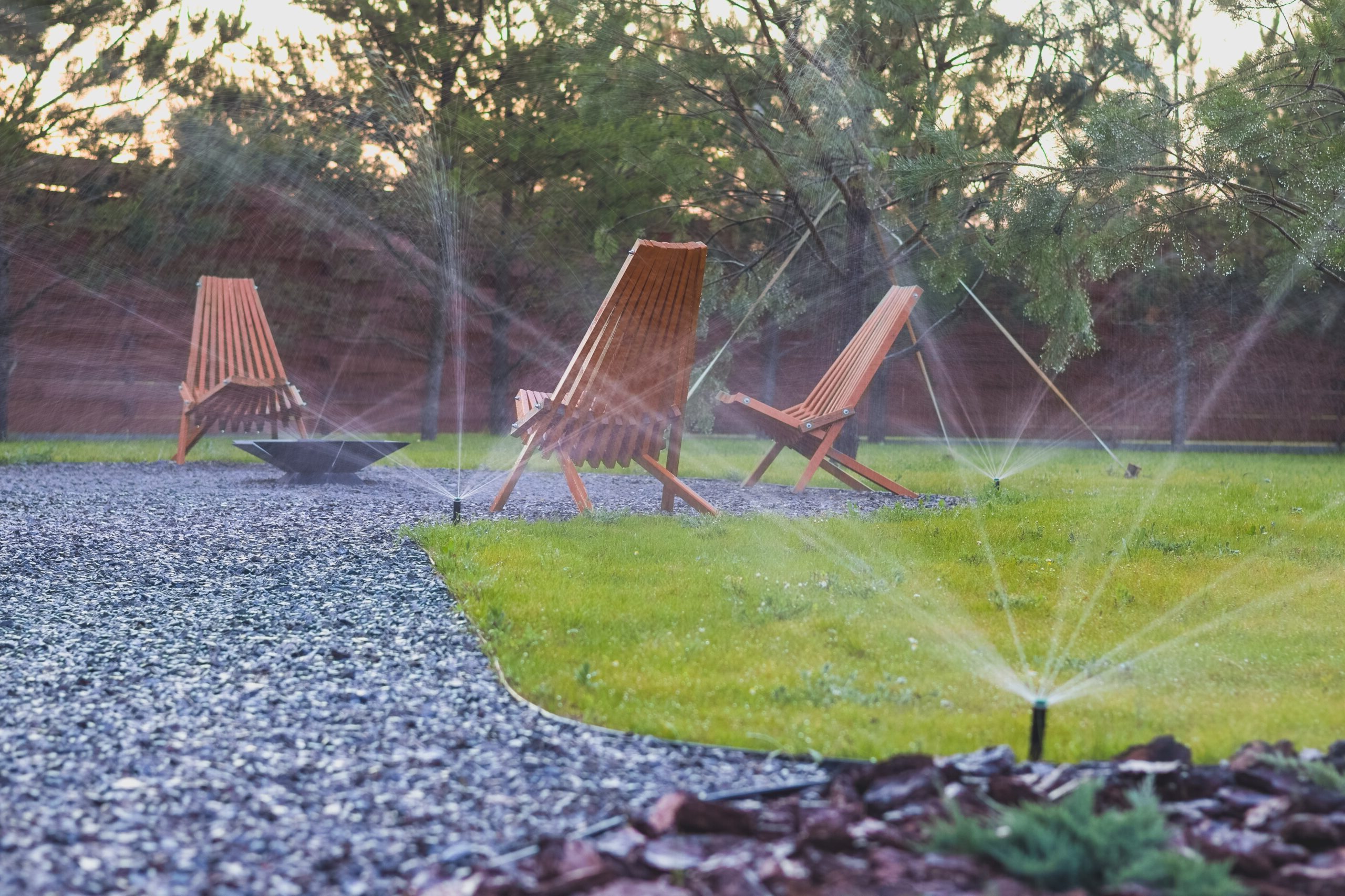
Water is important for a healthy lawn. But too much water can be just as damaging as not enough.
In Northeast Florida, we see this all the time with St. Augustine grass. A homeowner wants to help the lawn, so the irrigation system runs too often or too long. At first, the lawn may look fine. Then weeds show up. The soil gets soft. Algae appears in side yards or beds. Fungus becomes more active. The grass starts thinning instead of improving.
That is the overwatering trap.
More Water Does Not Mean More Health
St. Augustine grass needs water, sunlight, air, and proper mowing. When the lawn gets too much irrigation, the balance gets thrown off.
Overwatering can cause:
- Shallow roots
- Fungus activity
- Weed pressure
- Soil compaction
- Algae growth
- Thatch buildup
- Soft, spongy turf
- Slower recovery after stress
The lawn may look wet, but it is not becoming stronger.
A strong lawn needs deep roots. Frequent, light watering keeps roots near the surface. Those shallow roots struggle during drought, cold snaps, and heavy heat.
Dormant Grass Needs Less Water
During cooler months, grass and plants slow down. They are not pulling up water and nutrients the way they do during active growing season.
That means winter irrigation should be limited.
A warm day in January or February does not mean your irrigation should jump back to a summer schedule. The ground may still be cool. The lawn may still be dormant. Extra water during this period often feeds weeds and fungus, not grass.
If rainfall has been steady, irrigation may not be needed at all for a period of time.
Check for Multiple Irrigation Programs
One common problem is an irrigation controller with more than one program running.
A homeowner may think the system is set for one day per week, but Program A, Program B, and Program C may all be active. That can lead to watering every day or even multiple times in a day.
Do not assume your system is correct just because it was set once.
Check:
- Which programs are active
- Which days are scheduled
- How long each zone runs
- Whether the system runs after rainfall
- Whether every head is working properly
- Whether any zones are hitting shaded areas too heavily
Irrigation settings should change with the season.
Algae Is a Warning Sign
If you see green algae growing in plant beds, side yards, or bare soil, think water first.
Algae usually shows up where the area stays too wet. Shade can make the problem worse because water evaporates slowly. This is common between houses, along north-facing walls, or under dense tree cover.
When algae is present, grass usually struggles. The area is often too wet, too shady, compacted, or all three.
In these spots, more fertilizer will not fix the problem. The first step is to reduce excess water and improve airflow.
Shade and Water Work Together
Many difficult lawn areas have both shade and water issues.
Grass needs sunlight. If a side yard is shaded most of the day, St. Augustine may never form a thick stand there. Add too much irrigation, and the area becomes even less friendly to turf.
That is why side yards often turn into a mix of weeds, algae, and thin grass.
In these areas, homeowners may need to adjust expectations. Sometimes the right answer is less irrigation, better drainage, aeration, mulch, stepping stones, or a landscape bed instead of forcing grass to grow where conditions are poor.
Overwatering Builds Thatch
Overwatering can also contribute to excessive thatch.
Thatch is a layer of dead and living material that builds up between the grass and soil. When it gets too thick, roots may grow in the thatch layer instead of the soil.
That creates a weak lawn. The roots dry out faster. Mowers can sink into the spongy surface and scalp the grass. Recovery slows down because short grass blades cannot capture enough sunlight.
Proper watering and mowing are the best ways to avoid this cycle.
What Healthy Watering Looks Like
Healthy watering changes by season, rainfall, soil, shade, and local watering rules.
As a simple rule, do not water just because the system is scheduled. Look at the lawn. Check the soil. Pay attention to rainfall. Watch for signs of stress, but also watch for signs of too much water.
Signs of too much water include:
- Mushy soil
- Algae
- More weeds
- Fungus activity
- Standing water
- Grass that pulls up easily
- A sour smell in wet soil
Signs of dry stress include folded blades, bluish-gray color, and footprints that remain visible after walking across the lawn.
Final Takeaway
Watering correctly is one of the biggest pieces of lawn success. Chemicals, fertilizer, and pest treatments matter, but they cannot overcome poor irrigation.
If your lawn has algae, weeds, fungus, soggy areas, or recurring thin spots, your irrigation may be part of the problem.
Defenders can review lawn conditions, look for water-related stress, and help identify the next step for healthier St. Augustine grass in Northeast Florida.
FAQs
How do I know if I am overwatering my lawn?
Look for algae, soggy soil, fungus, weeds, spongy turf, or areas that stay wet long after irrigation runs.
Can overwatering cause weeds?
Yes. Weeds often take advantage of wet, weak, or thinning turf.
Should I water the same amount all year?
No. Irrigation should change with the season, rainfall, and lawn conditions.